
Why did the Beatles break up? — A deep, balanced dive
Posted on Dec 08, 2025 / Celebs
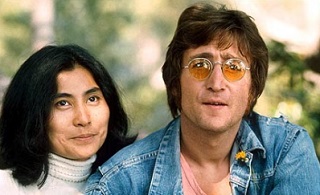
The Beatles’ split in 1970 often reads like a myth — sudden, tragic, blameful. In reality it was slow, messy and multi-layered: an accumulation of personal changes, business disasters, creative friction and external pressures.
Below I’ll unpack the main causes, show the different perspectives, and explain why no single person or event can be blamed for ending one of the most extraordinary musical partnerships in history.
1. They simply grew up in different directions
By the late 1960s the four members were adults with separate lives. John Lennon’s politics and relationship with Yoko Ono, Paul McCartney’s turn towards family life and melodic control, George Harrison’s emergence as a strong songwriter with spiritual interests, and Ringo Starr’s desire for stability — all meant their priorities no longer matched. Early Beatles chemistry depended on shared ambition and hunger; once they’d achieved global success, the glue that held them together loosened. Artistic tastes diverged too: some wanted to keep experimenting, others wanted tighter, song-centred craft. Growth is natural; for the Beatles it created distance.
2. Touring became impossible — and that changed everything
Live performance had been the band’s lifeblood. But by 1966 the screaming crowds, shallow PA systems and lack of privacy made touring a nightmare. They stopped touring and retreated to the studio — which should have been liberating, and at first it was. Yet being studio-bound put them in close, prolonged contact with each other’s differences. Without the structure of touring and shared goals of the stage, interpersonal tensions that had been smoothed over on the road came to the fore. The studio became a pressure cooker of competing personalities and ideas.
3. The death of Brian Epstein — the missing manager
Brian Epstein, who discovered and guided them, died in 1967. Epstein had been the band’s buffer, organiser and emotional manager: he calmed fights, negotiated deals, and kept them focussed on music rather than petty business. After his death, no one filled that role effectively. The Beatles tried to run their affairs themselves through Apple Corps, but they were musicians, not experienced executives. Apple quickly became chaotic, expensive and vulnerable to exploitation. Epstein’s absence created a void that allowed business disputes to fester into full-blown crises.
4. Apple Corps: a noble idea that imploded
Apple was supposed to be an artist-friendly paradise. In practice it became a money-pit and a battleground for differing visions. The band invested a fortune in projects: film, art, and signings that seldom returned profit. Financial mismanagement and unrealistic generosity generated frustration. Arguments about how to run Apple — and who should lead — poisoned relations and distracted them from music. What was meant to unite them instead heightened disagreements about responsibility and control.
5. Creative clashes and the rise of George Harrison
From the mid-60s George Harrison moved from “lead guitar” to serious songwriter. He resented being sidelined; at times his strong songs were left off albums. As he matured, he demanded more space. That changed the internal songwriting balance and stirred resentment, especially when Paul or John dismissed ideas. Creative friction is healthy up to a point — after that it becomes personal. Harrison’s growing confidence and Paul’s protective attitude over the band’s musical direction created frequent clashes.
6. John and Yoko — scapegoat or not?
Yoko Ono’s presence and John’s devotion to her upset the band’s old rhythms. Historically, the Beatles had a strict boundary: wives and girlfriends rarely intruded on rehearsals. Yoko refused to play by that rule. John’s loyalty to Yoko meant he sometimes prioritised her over group consensus. That annoyed other members. Still — it’s overly simplistic to say Yoko “caused” the break. She was one visible factor in a much larger structural problem: the band was fracturing and the old private rules no longer held. Blaming Yoko obfuscates the many deeper causes.
7. Paul’s managerial push and the Allen Klein vs. McCartney fight
When the band needed management after Epstein, Paul pushed for his father-in-law and eventual manager, Lee Eastman; John, George and Ringo preferred Allen Klein, a tougher business operator. The choice split the group. Klein’s appointment created suspicion and legal complications (and later, bitterness when Klein’s tactics proved controversial). Paul felt marginalized and eventually filed the first official legal action to dissolve the Beatles’ partnership in 1970. The management tug-of-war crystallised and accelerated the split. This was a turning point: arguments about money and control that would have been private now became formal and public.
8. Personal problems: drugs, exhaustion and emotional strain
By the late 1960s drug use, erratic sleep, and the pressures of fame affected judgement and patience. Psychedelics and other substances had altered perceptions and, for some, intensified mood swings and suspicion. Constant publicity, invasive press and fan obsession were draining. After years of living in the spotlight, the members were exhausted and sometimes unpredictable — that made compromise harder and arguments more combustible.
9. The “Get Back/Let It Be” sessions — a public collapse
The sessions that became the *Let It Be* film and album (originally meant to be a back-to-basics project called *Get Back*) showed the band at its most strained. Rehearsals were filmed, exposing petty squabbles, hurt feelings, and Ringo temporarily storming out. The documentary captured infamously tense moments and fed the public narrative that they were falling apart. Ironically, within months they produced *Abbey Road*, which showed a creative resurgence and cohesion — yet legal and personal issues by then were already driving them apart.
10. Different ambitions and solo careers beckoned
Each member had strong personal ambitions. John wanted to be an experimental artist and activist; Paul had a clear pop sensibility and a vision for production; George wanted more recognition for his songs and spiritual projects; Ringo increasingly favoured family and acting. Solo projects offered freedom without compromise. The idea of being in a band no longer matched each man’s goals. Once the chance to express their individual voices fully presented itself, staying together became less attractive.
11. The final legal and emotional unraveling
The public break is often dated to Paul’s 1970 announcement that he was leaving and his legal claim to dissolve the partnership. That action finalised what years of behind-the-scenes breakdowns had begun. Lawsuits, public words and press scrutiny hardened positions. Legal battles over money, publishing rights and managerial control made reconciliation difficult; practical dissolution sometimes follows emotional dissolution.
So who’s to blame?
There’s no single villain. The breakup was the product of:
- personal growth and diverging priorities;
- the absence of Brian Epstein’s mediating influence;
- financial and managerial disaster at Apple;
- creative competition and resentment;
- the intense pressures of fame and changing personal lives; and
- the public airing of private conflicts.
Yoko Ono gets blamed in pop mythology because she’s visible; Allen Klein gets blamed because of management fights; Paul, because he filed the lawsuit; George, because he felt ignored; and John, because of his changing priorities. All those narratives capture slices of truth — but none alone explains it.
One last point: endings can be complicated and messy — and also productive. The Beatles’ breakup was painful, but it also led to remarkable solo creativity. Each member produced music that further shaped popular culture. The band’s end allowed them to explore different musical paths and personal lives honestly. That doesn’t erase the bitterness or the lost possibilities of more Beatles albums — it just puts the split in perspective: it was tragic, inevitable to a degree, and full of human complexity.
In short: The Beatles didn’t break up because of one fight, one person, or one day. They dissolved because a once-unstoppable team of four individuals outgrew the structure that had bound them together. Their breakup is a mirror of success: it magnified differences, turned practical problems into personal crises, and made private disputes public. It’s a story about people changing — and about how even the greatest creative partnerships can run their course.
Please share the link with friends and neighbors:
Also! Recommended for you:
What was Whitney Houston best known for?Where did Whitney Houston grow up?
How did Whitney Houston get discovered?
What are some of Whitney Houston’s biggest hits?
What was Whitney Houston’s family background like?
What movies did Whitney Houston star in?
© 2026 City maps and famous places